6mm vs 8mm Tempered Glass Gas Hob: Which is Better?
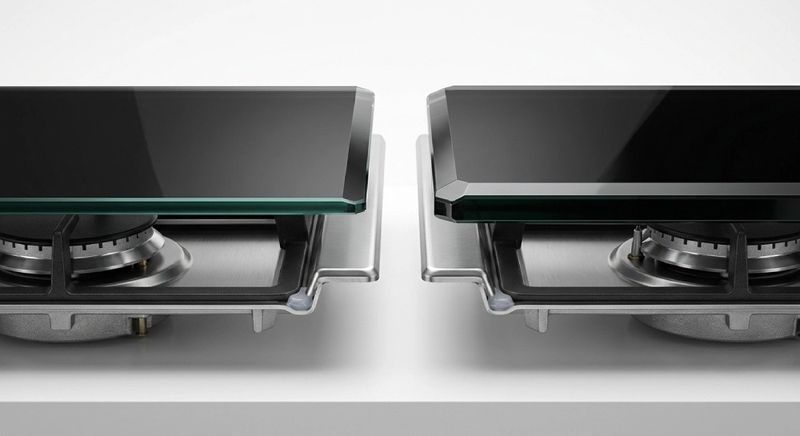
Short Answer: Yes, 8mm tempered glass gas hob panels are generally more durable than 6mm ones. Being roughly 33% thicker than 6mm glass, 8mm panels offer better structural rigidity, stronger resistance to everyday impacts, and a bigger safety margin against mechanical stress. While thickness isn’t the only thing that matters for safety, 8mm tempered glass is usually the preferred choice for premium gas hobs, busy family kitchens, and hospitality projects where long-term reliability really counts.
If you’re sourcing gas hobs for residential projects, international distribution, or hospitality developments, glass thickness is one of those specifications that actually makes a real difference in durability, market positioning, and customer satisfaction.
With over 10 years working in kitchen appliance manufacturing and serving overseas buyers, I’ve seen how this single detail influences everything from product reliability to after-sales performance. Many standard models still use 6mm tempered glass, while higher-end versions step up to 8mm. In this guide, I’ll break down how the thickness affects real-world performance.
Why Does Gas Hob Glass Thickness Matter?
In actual use, gas hob glass panels have to handle quite a lot — transportation bumps, accidental knocks, installation pressure, and constant heating-cooling cycles.
Here’s what they face on a daily basis:
Mechanical stress: Placing heavy cast iron pots, accidental impacts from cookware, or vibrations during shipping and installation.
Thermal stress: Rapid temperature changes as the surface heats up and cools down repeatedly during cooking.
Daily wear and tear: Constant contact with pots, cleaning, and the pressure of proper installation.
Simply put, greater thickness gives the panel better rigidity and helps spread out external forces more evenly — creating a larger safety margin for everyday use.
6mm vs 8mm Tempered Glass Gas Hob: Key Differences
| Feature | 6mm Tempered Glass | 8mm Tempered Glass |
|---|---|---|
| Thickness | Standard option | Premium option |
| Thickness increase | — | ≈33% thicker |
| Rigidity | Standard | Improved |
| Impact resistance | Standard | Improved |
| Heavy cookware tolerance | Suitable for standard cookware | Better suited for heavy cookware |
| Product positioning | Cost-effective models | Premium gas hobs |
| Recommended applications | Residential kitchens | Premium homes, hospitality projects |
This table reflects how manufacturers and buyers typically position these two options in the market.
Why Is 8mm Tempered Glass More Durable Than 6mm Glass?
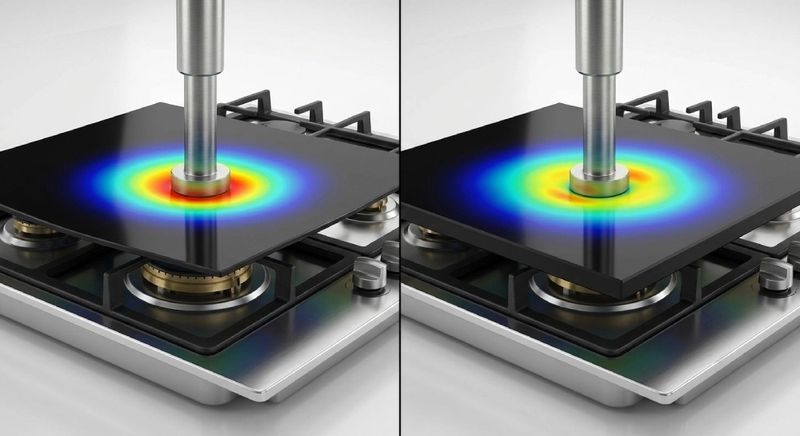
Moving from 6mm to 8mm delivers meaningful improvements in several practical ways.
1. Higher Structural Strength
The extra thickness improves stiffness and reduces flexing under load. This allows the panel to better handle external forces and repeated daily use, lowering the chance of damage from mechanical stress.
2. Better Resistance Against Accidental Impact
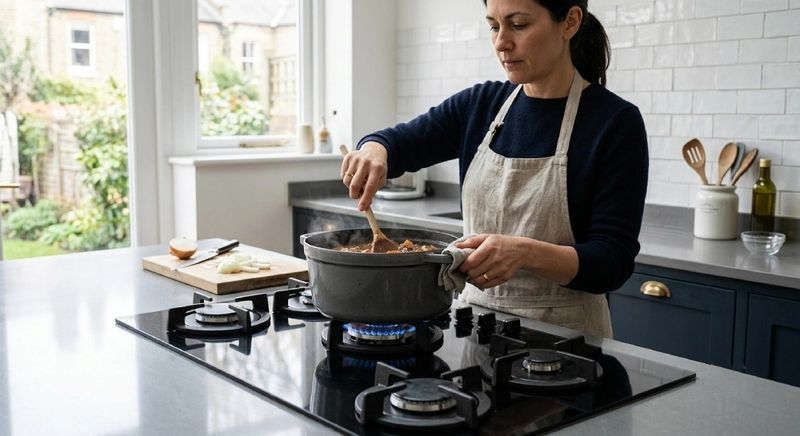
In real kitchens, heavy cookware sometimes gets dropped or knocked. While 8mm glass isn’t indestructible, it generally offers better tolerance in demanding situations compared to 6mm.
3. Better Long-Term Durability for Frequent Use
In busy homes and hospitality settings, 8mm panels are often chosen because long-term reliability and fewer maintenance issues matter a lot. Simply put, the more often the hob is used, the more that extra durability margin becomes valuable.
Does 8mm Glass Mean a Gas Hob Will Never Break?
No.
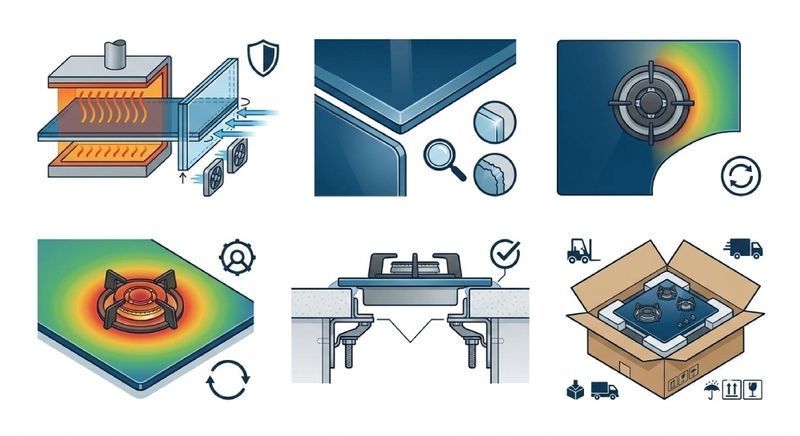
Let me be straightforward — glass safety involves much more than just thickness. Important factors include:
Glass quality and the tempering process
Edge processing and finishing
Burner design and heat distribution
Installation accuracy and countertop support
Packaging and transportation protection
At the end of the day, a truly reliable gas hob comes from good overall engineering, not just one specification.
Should You Choose 6mm or 8mm Tempered Glass Gas Hob?
Both options can be reliable if made with proper quality standards. The right choice depends on your target market and intended use.
Choose 6mm if:
You’re targeting price-sensitive markets
Working with entry-level or standard household applications
Budget is the main priority
Choose 8mm if:
You’re supplying premium kitchen appliances or upscale residential projects
Working on hotels, serviced apartments, and hospitality developments
Your customers value higher durability and long-term performance
In these scenarios, 8mm usually strikes a better balance between premium feel, durability, and customer value.
Why Premium Gas Hob Manufacturers Prefer 8mm Glass Panels
Serious buyers care about product lifespan, customer satisfaction, and keeping after-sales issues low. 8mm tempered glass helps manufacturers build stronger positioning and higher perceived value. It also makes it easier for brands to stand out in competitive markets. For distributors and brand owners, this translates into greater customer confidence — especially since reliability is a major factor in premium purchases.
How CHEFF Ensures Reliable Tempered Glass Gas Hobs
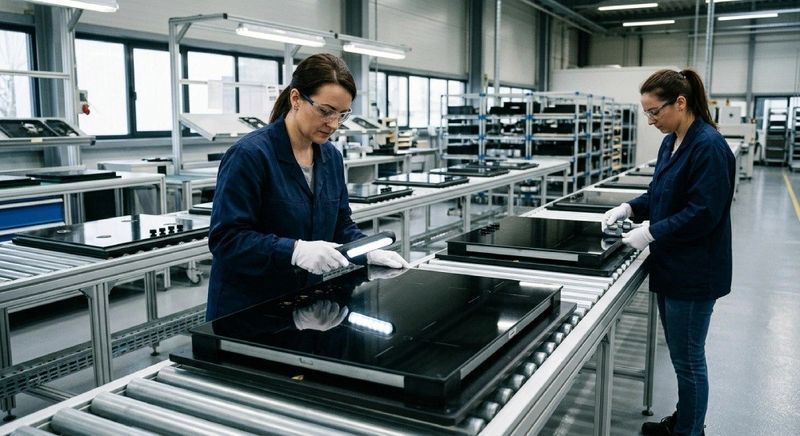
At CHEFF, quality control runs through every step of production:
High-grade glass material selection
Precision cutting and edge grinding
Controlled glass tempering process
Glass thickness measurement and quality inspection
Surface inspection
Ignition testing and flame performance testing
Gas leakage testing
Packaging inspection and protection
Final inspection before shipment
This thorough process helps us deliver consistent performance in both 6mm and 8mm models.
FAQ
1. Can a tempered glass gas hob suddenly shatter without impact?
Yes, it can happen occasionally even without obvious impact. This is usually caused by hidden edge damage, internal stress issues, improper installation, or manufacturing defects — not just glass thickness. Good manufacturers reduce these risks through strict edge inspection, controlled tempering, and careful handling during shipping and installation.
2. How long can a tempered glass gas hob panel typically last?
With good quality and proper use, a tempered glass panel can last many years. Lifespan depends on glass quality, cooking habits, burner design, installation, and maintenance. Regular gentle cleaning and avoiding extreme impacts or overheating go a long way.
3. Does thicker glass make a gas hob harder to clean?
No. Both 6mm and 8mm panels have smooth, non-porous surfaces that clean easily. Thickness mainly affects strength and durability, not day-to-day cleaning.
4. Does an 8mm glass gas hob require a different countertop installation?
Usually not. The installation method is similar to 6mm models, but proper support, correct cutout size, and following the manufacturer’s guidelines are still very important for long-term safety.
5. How can buyers verify the quality of tempered glass used in a gas hob?
Look beyond thickness. Key things to check include tempered glass certification, edge finishing quality, thickness consistency, heat resistance performance, and the supplier’s quality control system. A trustworthy manufacturer should readily share technical data and inspection records.
Conclusion
In the end, 8mm tempered glass is often the smarter choice for premium gas hob applications where durability and long-term reliability matter most. While 6mm glass works well for more price-sensitive segments, 8mm panels clearly deliver extra peace of mind in demanding environments.
If you’re sourcing gas hobs for your brand, distribution business, or project, CHEFF offers both 6mm and 8mm tempered glass options with flexible OEM/ODM support. Feel free to reach out — we’d be happy to discuss the right specifications and pricing options for your market.