What's the Difference? Choosing Burner Power for Your Multiple Gas Hob Setup
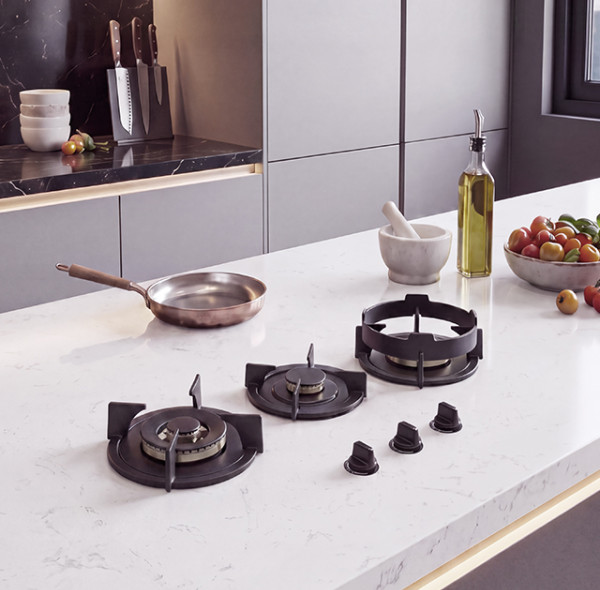
Choosing the right Gas Hob for your kitchen can significantly impact your cooking experience, making it more efficient and enjoyable. Gas hobs are a popular choice due to their instantaneous heat and precise temperature control, offering flexibility for various cooking needs. With multiple options available, understanding the differences in burner power and types is key to selecting the best multi-burner gas hob for your home.
When I think about setting up my kitchen, the gas hob is always a central piece. It's not just about having burners; it's about having the right burners for the job. From simmering delicate sauces to boiling water rapidly and searing meats, the varying power levels of burners on a gas hob make all the difference in achieving perfect culinary results.
Key Takeaways
This guide delves into the critical factors that differentiate burner power in multiple gas hob setups, ensuring you can make an informed choice tailored to your culinary needs. Here are the essential points we'll cover:
- Understanding Burner Functionality: We will start with the fundamentals, explaining what gas hob burners are and the mechanics behind their operation. This includes a breakdown of their core components—like the burner cap, base, and venturi tube—and how they work in concert to produce a controlled flame for cooking.
- The Spectrum of Burner Power: Not all burners are created equal. The article will categorize burners into distinct power levels and explore their ideal applications:
- Low-Power (Simmer) Burners: Essential for delicate tasks that require gentle, consistent heat, such as melting chocolate or simmering sauces without scorching.
- Medium-Power (All-Purpose) Burners: The versatile workhorses of the cooktop, suitable for the majority of everyday cooking tasks like sautéing, frying, and general-purpose boiling.
- High-Power (Power/Wok) Burners: Designed for speed and intensity, these burners are perfect for boiling large pots of water quickly, achieving a perfect sear on meat, or for high-heat cooking styles like stir-frying in a wok.
- Specialty Burners: We'll also touch upon less common but highly functional designs like oval burners for accommodating large or irregularly shaped cookware and dual-ring burners that offer the flexibility of two flame sizes in one.
- Material Matters: The material of the burner itself plays a significant role in its performance, durability, and maintenance. We will compare the three most common materials:
- Brass: Valued for its superior durability, resistance to corrosion, and ability to distribute heat evenly.
- Aluminum: A more affordable option that heats up quickly but may be less durable than brass over the long term.
- Cast Iron: Known for its robustness and excellent heat retention, making it a favorite for professional and high-heat cooking environments, though it requires proper maintenance to prevent rust.
- Practical Selection Criteria: Beyond power and materials, the right choice depends on your lifestyle. We will provide guidance on matching the number of burners to your family size and cooking frequency. Furthermore, we'll emphasize the importance of crucial safety features like Flame Failure Devices and the practical aspects of cleaning, comparing different hob surfaces and burner designs (sealed vs. open) for ease of maintenance. For procurers in the market, finding suppliers that offer customization is key, and an experienced OEM/ODM factory like CHEFF can provide tailored solutions.
By the end of this article, you will have a comprehensive understanding of how to choose a multi-burner gas hob with the right power configuration to elevate your cooking and perfectly suit your kitchen's demands.
Understanding the Difference for Different Power of Burners for Multiple Gas Hob Setups
Before diving into the specifics of power ratings and burner types, it's crucial to grasp the fundamental principles of how a multi-burner gas setup operates. This knowledge forms the bedrock of an informed purchasing decision, ensuring your new appliance aligns perfectly with your culinary aspirations.
What are Gas Hob Burners and How Do They Work?
At its heart, a gas hob is a cooking appliance that uses combustible gas, like natural gas or LPG, to produce a controlled flame for heating cookware. The magic of a gas hob lies in its simplicity and responsiveness; a turn of a knob translates to immediate heat, offering a level of control that many chefs prefer. It operates through the basic principle of combustion: gas is mixed with air, and an ignition source lights this mixture to create the flame you cook with. Modern gas hobs are often built directly into countertops, which hides the gas pipes and gives the kitchen a seamless, clean look.
The Basics of Gas Hobs
A Gas Hob is a specialized version of the traditional gas stove, designed for modern modular kitchens. Its primary function is to convert the chemical energy in gas into thermal energy for cooking, instantly and efficiently. Here’s a step-by-step breakdown of how it works:
- Gas Supply: Natural gas or LPG is fed to the appliance through a dedicated gas line.
- Activating the Flow: When you turn a control knob, it opens a valve, allowing gas to flow towards the designated burner. The degree to which you turn the knob regulates the amount of gas, which in turn controls the size and intensity of the flame.
- Mixing with Air: As the gas travels to the burner, it passes through a component called a venturi tube. Here, it mixes with air from the kitchen to create a combustible gas-air mixture, which is essential for a clean, efficient blue flame.
- Ignition: Modern hobs feature an electronic ignition system. When you press or turn the knob, this system generates an electrical spark near the burner, which ignites the gas-air mixture and produces a flame. This removes the need for a separate lighter or match.
The result is an open flame that provides instant heat and remarkably precise temperature adjustments, making gas hobs suitable for a wide array of cooking styles, from high-heat searing to gentle simmering.
Components of a Gas Burner: Fueling the Flame
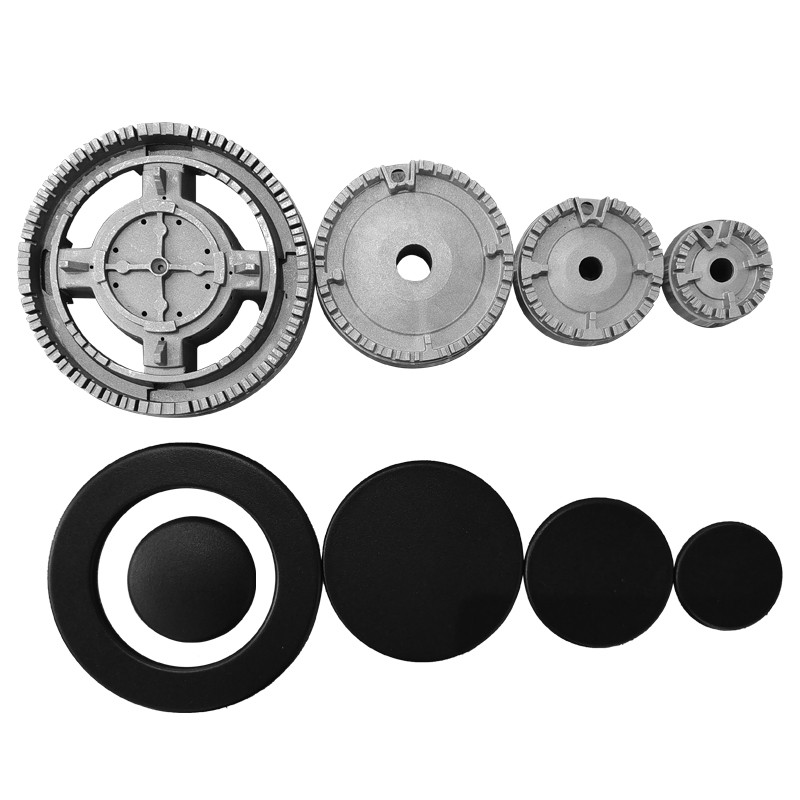
To truly understand burner power, it's helpful to know the key parts of the burner assembly itself. Each component has a specific role in delivering a stable, efficient, and safe flame.
| Component | Function | Importance |
|---|---|---|
| Burner Base | The stationary foundation of the burner that connects to the gas supply line. It houses the gas jet and holds the burner head. | Provides a stable structure and ensures gas flows correctly into the burner head. Proper alignment over the gas orifice is critical. |
| Burner Head | Sits atop the base and features small ports or holes along its sides. | Distributes the gas-air mixture evenly to create a consistent, circular flame pattern. Blocked ports can lead to uneven flames. |
| Burner Cap | A removable metal cover placed on top of the burner head. | It protects the burner head from spills and debris, preventing clogs. It also plays a crucial role in spreading the flame evenly for uniform heating. Correct placement is essential for proper ignition and flame shape. |
| Igniter (or a Spark Electrode) | A small ceramic-insulated prong located beside the burner. | Generates the spark that ignites the gas. If it's dirty or misaligned, the burner may fail to light or click continuously. |
| Thermocouple (Flame Failure Device) | A safety sensor positioned next to the burner, extending into the flame's path. | This is a vital safety feature. It senses the heat from the flame and keeps the gas valve open. If the flame blows out, the thermocouple cools down and automatically shuts off the gas supply to that burner, preventing dangerous gas leaks. |
Together, these parts create a sophisticated system that offers both high performance and safety. When the burner cap and head are correctly positioned, the flame should be steady and blue, indicating efficient combustion. Any deviation, such as yellow or uneven flames, could suggest that the components need cleaning or realignment.
Different Types and Their Impact on the Difference for Different Power of Burners for Multiple Gas Hob Setups
The true versatility of a multi-burner Gas Hob comes from the variety of burner powers it offers. A typical setup isn't just a collection of identical burners; it's a carefully orchestrated team where each member has a specialty. The power of a burner is measured in British Thermal Units (BTUs), which quantifies its heat output. A higher BTU rating means more heat and a bigger flame. Understanding the roles of low, medium, and high-power burners is essential to matching a hob to your cooking style.
Low-Power Burners: The Simmering Specialists
Often the smallest burner on the cooktop, the simmer burner is designed for precision and gentle heat. Its purpose is to maintain a low, consistent temperature perfect for delicate tasks that would be ruined by high heat.
- Typical BTU Range: 500 to 2,000 BTUs. Some specialized models can go even lower, providing the "true simmer" that prevents scorching.
- Primary Uses: Simmering is the process of cooking liquid just below the boiling point, typically between 185°F and 205°F (85°C and 96°C). This gentle heat is ideal for:
- Melting chocolate or butter without burning it.
- Keeping sauces, gravies, and soups warm for extended periods.
- Slow-cooking delicate sauces like hollandaise or béarnaise.
- Poaching eggs or fish.
- Braising meats after an initial sear.
- Why It's Important: A dedicated simmer burner provides a level of control that's difficult to achieve by simply turning a powerful burner to its lowest setting. It ensures food cooks gently and evenly without sticking or scorching, making it an indispensable tool for patient, flavor-building cooking.
Medium-Power Burners: The All-Purpose Workhorses
Medium-power, or all-purpose, burners are the most frequently used on any gas hob. They offer a balanced heat output that is suitable for the vast majority of everyday cooking tasks.
- Typical BTU Range: Roughly 2,000 to 12,000 BTUs. Many residential stoves have standard burners that fall between 7,000 and 10,000 BTUs.
- Primary Uses: These burners are the versatile stars of the cooktop, perfect for:
- Sautéing vegetables and aromatics.
- Frying eggs, pancakes, and burgers.
- Cooking grains like rice and quinoa.
- Browning ground meat.
- Most general-purpose pan-frying.
- Why It's Important: A standard four-burner hob will typically feature two of these all-purpose burners, forming the core of its cooking capability. Their wide range of heat modulation—from a low-medium flame to a fairly strong one—makes them suitable for preparing most components of a daily meal.
High-Power Burners: For Rapid Boiling and Searing
Known as power burners, these high-output units are engineered for speed and intensity. They deliver a massive amount of heat quickly, making them essential for specific high-temperature cooking techniques.
- Typical BTU Range: 12,000 to 20,000 BTUs or even higher on commercial-style ranges.
- Primary Uses: The intense heat from a power burner is necessary for:
- Rapid Boiling: Bringing large pots of water for pasta or stock to a boil significantly faster.
- Searing: Creating a flavorful, caramelized crust on steaks, scallops, and other proteins. For a good sear, a burner of at least 15,000 BTUs is recommended.
- Stir-Frying (Wok Cooking): Achieving the "wok hei"—the smoky, seared flavor characteristic of great stir-fries—requires extremely high heat that a standard burner cannot provide. Professional wok burners can even reach 100,000 BTUs or more, though for home use, 15,000-20,000 BTUs is very effective.
- Why It's Important: A power burner prevents the pan temperature from dropping drastically when you add food, which is key for achieving a proper sear rather than just steaming the food. It is a game-changer for anyone who loves to cook steak, use a wok, or simply wants to save time waiting for water to boil.
Specialty Burners: Oval and Dual-Ring Options
To further enhance versatility, many modern hobs include specialty burners designed for specific types of cookware and cooking methods.
- Oval Burners: Sometimes called a "fish burner" or "griddle burner," this elongated burner is designed to heat long or irregularly shaped cookware evenly.
- Typical BTU Range: Around 8,000 to 12,000 BTUs.
- Primary Uses: It's perfect for long griddle pans used for pancakes or bacon, fish poachers, or large oval Dutch ovens. Using a round burner for such cookware often results in hot spots at the center and uncooked food at the ends.
- Dual-Ring Burners: This innovative design is essentially two burners in one. It features a small, central flame ring and a larger, outer flame ring.
- Functionality: The two rings can often be controlled independently. You can use just the small inner ring for a very low, precise simmer. For high heat, you can engage both rings simultaneously to create a large and powerful flame, often rivaling a dedicated power burner.
- Why It's Important: A dual-ring burner offers maximum flexibility on a single burner footprint. It can perform the delicate work of a simmer burner and the high-intensity tasks of a power burner, making it an incredibly efficient and space-saving feature.
Choosing the Right Burner Materials: The Difference for Different Power of Burners for Multiple Gas Hob Setups
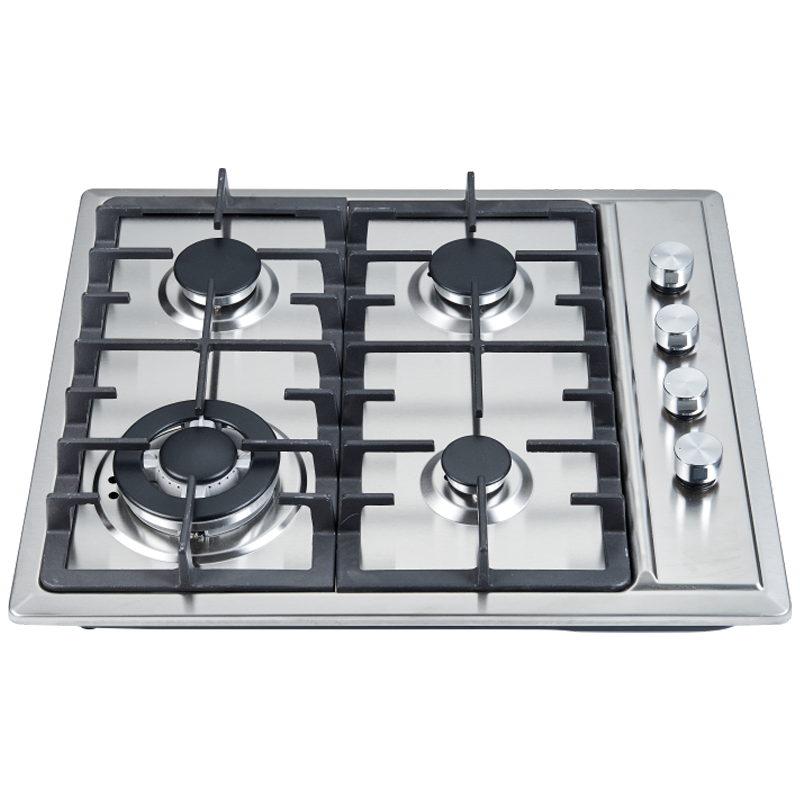
The material composition of a gas hob's burners is a critical factor that directly influences its performance, durability, and maintenance requirements. While it might seem like a minor detail, the metal used can affect everything from heat distribution to the burner's lifespan. The three most common materials used for gas burners are brass, aluminum, and cast iron, each with a distinct set of properties.
Brass Burners: Durability and Even Heat
Brass, an alloy of copper and zinc, is widely regarded as the premium choice for gas hob burners, and for good reason. It is a dense, robust material known for its exceptional durability and superior thermal properties.
- Exceptional Durability and Longevity: Brass is highly resistant to corrosion and tarnishing, which means it withstands moisture and acidic food spills far better than other materials. It also has a very high melting point (around 900°C or 1700°F), making it incredibly resistant to warping and deformation even under prolonged, high-temperature cooking. With proper maintenance, brass burners can last for 10-15 years or even longer, significantly outlasting their aluminum counterparts.
- Superior Heat Performance: Brass excels at both heat conduction and retention. This allows it to distribute heat evenly across the bottom of your cookware, eliminating hot spots that can cause food to cook unevenly or burn. It maintains a stable temperature, which is especially important for high-heat tasks like searing, where consistency is key.
- Aesthetic and Maintenance: Brass burners add a touch of elegance to a cooktop with their golden hue. While they can develop a patina over time, this is purely cosmetic and doesn't affect performance. Regular cleaning is required to maintain their shine, but their resistance to grime makes them relatively easy to maintain for performance.
The main drawback of brass burners is their higher initial cost. However, their extended lifespan and superior performance make them a worthwhile long-term investment for serious or frequent cooks.
Aluminum Burners: Affordability and Quick Heating
Aluminum burners are a common feature in many budget-friendly and mid-range gas hobs. They are valued for their light weight and rapid heating capabilities.
- Quick Heating and Response: Aluminum is an excellent thermal conductor, which means it heats up very quickly. This allows for fast cooking times and makes the burner highly responsive to changes in the flame setting. They also cool down faster than brass, which can be a safety advantage, especially in homes with children.
- Affordability: Aluminum burners are generally less expensive to produce than brass burners, making them a popular choice for cost-conscious consumers. Their lightweight nature also makes them easy to handle during cleaning and installation.
- Durability and Performance Concerns: The primary trade-off with aluminum is its lower durability. With a lower melting point (around 660°C or 1220°F), aluminum burners are more susceptible to warping and damage from prolonged exposure to high heat. This can lead to uneven flames and a reduced lifespan, typically around 3-5 years with regular use. They may also not retain heat as effectively as brass, leading to less consistent cooking results for some dishes. While generally considered safe for cooking, some sources note that uncoated aluminum can react with highly acidic or salty foods, although modern burners are typically made from alloys designed to minimize this.
Aluminum burners are a practical and economical choice for those who cook less frequently or do not regularly engage in high-heat cooking techniques.
Cast Iron Burners: Robustness for High-Heat Cooking
Cast iron burners are the heavyweights of the burner world, known for their incredible strength and heat retention. They are often found on commercial-style or heavy-duty cooktops designed for intense use.
- Unmatched Robustness: Cast iron is extremely durable and can withstand very high temperatures and heavy cookware without any risk of warping. This makes them ideal for professional kitchens or home cooks who need equipment that can handle punishing, high-heat conditions.
- Excellent Heat Retention: Like a cast iron skillet, these burners retain heat exceptionally well. While they may take slightly longer to heat up than brass or aluminum, they hold that heat for extended periods. This provides a very stable and even cooking temperature, which is great for long simmers or maintaining heat with large pots.
- Maintenance Requirements: The main drawback of cast iron is its susceptibility to rust. To prevent corrosion, cast iron burners must be kept dry and often require "seasoning"—a process of applying a thin layer of oil and heating it to create a protective, non-stick surface. Without proper care, they can rust, which can affect performance and longevity. They are also significantly heavier than brass and aluminum, which can make cleaning more cumbersome.
Cast iron burners are best suited for those who prioritize raw durability and heat stability and are willing to perform the necessary maintenance to keep them in top condition.
Comparison Table of Burner Materials
| Feature | Brass Burners | Aluminum Burners | Cast Iron Burners |
|---|---|---|---|
| Durability | Excellent (very resistant to warping) | Fair (can warp under high heat) | Excellent (very robust) |
| Lifespan | Very Long (10-15+ years) | Shorter (3-5 years) | Long (with proper care) |
| Heat Distribution | Excellent (very even) | Good (can have hot spots) | Excellent (very even) |
| Heat Retention | Excellent | Fair (cools quickly) | Superior |
| Corrosion | High Resistance | Good Resistance | Susceptible to Rust |
| Cost | High | Low | Moderate |
| Maintenance | Low (easy to clean) | Low (easy to clean, but stains) | High (requires seasoning) |
| Best For | Serious cooks, longevity, high performance | Budget-conscious users, light cooking | Heavy-duty use, high heat, durability |
Considering Your Cooking Needs: The Practical Difference for Different Power of Burners for Multiple Gas Hob Setups
Understanding the technical specifications of burner power and materials is only half the battle. The ultimate decision rests on how a gas hob fits into your daily life. A practical approach involves assessing your cooking habits, family size, and non-negotiable features like safety and ease of maintenance.
Matching Burner Count to Family Size and Habits
The number of burners you need is directly related to how you cook and for how many people. There is no one-size-fits-all answer, so it's important to be realistic about your kitchen activities.
- 1-2 Burners: Ideal for individuals, couples, or those in small apartments or "tiny homes." A dual-burner hob is compact and sufficient for simple meals, boiling water for tea, and preparing one or two dishes at a time. It's a space-saving option for kitchens where countertop real estate is precious.
- 3-4 Burners: This is the standard and most popular configuration, perfect for small to medium-sized families (3-5 people). A four-burner hob offers the flexibility to cook multiple components of a meal simultaneously—for instance, simmering a sauce, boiling pasta, and sautéing vegetables all at once. This setup usually includes a mix of burner powers (e.g., one simmer, two medium, one power), providing excellent versatility for everyday cooking.
- 5-6 Burners: Best suited for large families (5+ people), avid home cooks, or those who frequently entertain guests. A five or six-burner hob, often found on wider 90cm European-style multi-burner hobs, provides ample space to use multiple large pots and pans without crowding. These setups almost always include a high-power wok burner or a specialty oval burner in the center, catering to more complex culinary projects. Having more burners provides significant space between pots, which prevents uneven cooking and makes the entire process more efficient.
For market procurers and developers catering to diverse consumer needs, offering a range of burner configurations is crucial. Moreover, the ability to provide customized hob layouts and designs is a significant competitive advantage. For this, partnering with a specialized OEM/ODM factory like CHEFF, which excels in tailored gas stove manufacturing, can be a strategic move to meet specific market demands.
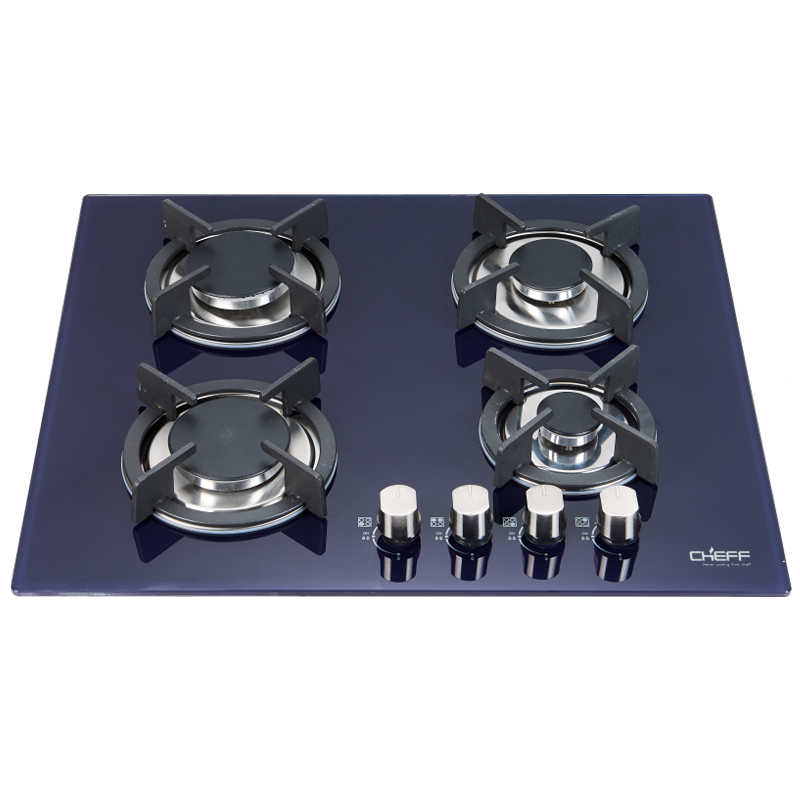
Safety Features and Ease of Cleaning: Essential Considerations
Beyond cooking performance, two practical aspects should be at the top of your checklist: safety and maintenance. A good gas hob should not only cook well but also be safe to operate and easy to keep clean.
Key Safety Features
Modern gas hobs are equipped with crucial safety mechanisms. The most important of these is the Flame Failure Device (FFD), also known as a Flame Supervision Device (FSD).
- How it Works: The FFD uses a sensor called a thermocouple that sits next to the burner. This sensor detects the heat of the flame. As long as the flame is lit, the thermocouple stays hot and keeps the gas valve open. If the flame is accidentally extinguished—by a gust of wind, a boil-over, or any other reason—the thermocouple cools down rapidly. This temperature drop triggers the device to automatically shut off the gas supply to that specific burner, preventing a dangerous buildup of unburned gas in your kitchen.
- Why it is Essential: This single feature is a non-negotiable for kitchen safety. It provides peace of mind, knowing that a potential gas leak will be stopped automatically. In many regions, FFDs are now a legal requirement for all new gas cooking appliances.
Other safety features to look for include child-lock controls, which prevent the burners from being turned on accidentally.
Ease of Cleaning
Keeping a gas hob clean can be a chore, but certain design features can make the task much easier.
- Sealed vs. Open Burners:
- Sealed Burners: Most residential hobs today feature sealed burners. In this design, the burner components are covered, and the cooktop surface is a single, continuous piece around the burner base. This prevents spills, crumbs, and liquids from falling into the internal mechanics of the hob. Clean-up is as simple as wiping the surface with a damp cloth.
- Open Burners: Common in professional kitchens, open burners have an exposed design where spills can fall through to a removable tray below. While they are often praised by chefs for superior heat distribution, they require more effort to clean, involving the disassembly of parts to reach the drip tray. For most home cooks, sealed burners offer the best balance of performance and convenient maintenance.
- Hob Surface Material:
- Stainless Steel: A durable and popular choice that offers a professional look. It is resistant to rust and heat but can be prone to showing fingerprints and scratches.
- Tempered Glass (Gas-on-Glass): This option provides a very sleek, modern aesthetic. The smooth surface is extremely easy to wipe clean. However, it can be more susceptible to scratches from abrasive cleaners and, in rare cases, cracking from a heavy impact.
- Removable Parts: Look for hobs with burner caps and grates that are easily removable. Some high-quality cast-iron grates are even designed to be dishwasher-safe, which dramatically simplifies deep cleaning.
Ultimately, choosing a hob with easy-to-clean features will save you significant time and effort in the long run, ensuring your kitchen remains a pleasant and hygienic space.
Frequently Asked Questions (FAQ)
1. What are BTUs and why are they so important for a gas hob?
BTU stands for British Thermal Unit, and it is a standard unit of measurement for heat energy. In the context of a gas hob, a burner's BTU rating indicates its maximum heat output or power. A higher BTU rating means a more powerful flame, capable of heating cookware faster and reaching higher temperatures. This is crucial because different cooking tasks require different levels of heat. For example, a low-BTU burner (around 1,000-2,000 BTUs) is perfect for gentle simmering, while a high-BTU power burner (15,000 BTUs or more) is essential for rapid boiling and achieving a proper sear on meat. A good gas hob will offer a range of burner BTUs to provide versatility for all your cooking needs.
2. How do I clean and maintain my gas hob burners effectively?
Proper maintenance ensures both safety and performance. First, always make sure the hob is cool. Remove the grates and burner caps and soak them in warm, soapy water. For stubborn, burnt-on food, you can use a non-abrasive scrubbing pad or create a paste of baking soda and water to let it sit before scrubbing. Gently clean the burner heads with a soft brush or cloth, taking care not to damage the igniter. Use a straight pin or a specific tool to clear any clogged ports (the small holes where the flame comes out) on the burner head—never use a wooden toothpick, as it can break off inside. Wipe the hob surface clean, rinse all components thoroughly, and ensure they are completely dry before reassembling. For cast iron components, applying a very thin layer of cooking oil after drying can help prevent rust.
3. Are gas hobs safe to use in a family kitchen?
Yes, modern gas hobs are designed with multiple safety features that make them very safe for home use. The most critical feature is the Flame Failure Device (FFD). The FFD automatically cuts off the gas supply to a burner if the flame is accidentally extinguished, preventing dangerous gas leaks. Many hobs also come with child-lock features on the control knobs to prevent accidental ignition. Furthermore, sealed burners, which are standard on most residential models, contain spills and prevent them from interfering with the gas components below. As long as the hob is installed correctly by a certified professional and used according to the manufacturer's instructions, it is a very safe and reliable cooking appliance.
4. What is the difference between sealed burners and open burners, and which is better?
The main difference lies in their construction and cleaning.
- Sealed burners have a solid cooktop surface surrounding them, with the burner head sealed to the top. This design prevents food and liquids from spilling down into the appliance's interior, making them incredibly easy to clean—you simply wipe the surface. This is the most common design in residential kitchens.
- Open burners are exposed, with grates sitting over an open area. Spills can fall through onto a drip tray below. Professional chefs often prefer them for more direct flame contact and better heat distribution. However, they are more difficult to clean as they require disassembly to access the drip tray.
For the average home cook, sealed burners are generally the better choice due to their convenience and ease of maintenance. Open burners are better suited for commercial settings or serious home chefs who prioritize raw power over cleaning convenience.
5. How do I choose between a 4-burner and a 5-burner gas hob?
The choice depends on your cooking habits, family size, and kitchen space.
- A 4-burner hob is the standard for most households and is perfectly adequate for a family of up to four. It typically offers a versatile mix of burner sizes and fits well into standard 60cm/30-inch countertop cutouts.
- A 5-burner hob is ideal for larger families, people who entertain frequently, or ambitious cooks who often use multiple large pots and pans simultaneously. The fifth burner is usually a specialty one, like a high-power wok burner or an oval burner for griddles, which adds significant versatility. However, 5-burner hobs require more counter space (typically 70-90cm or 36 inches) and can sometimes feel cramped if you're trying to use all five burners with large cookware at once. If you have the space and cook complex meals often, the fifth burner is a valuable addition.
Conclusion
Ultimately, I believe that understanding the nuances of different burner powers and types empowers us to make a more informed decision when selecting a multi-burner gas hob. It's about finding the right balance of versatility, efficiency, and safety to suit our individual cooking styles and kitchen needs. Whether you're a market procurer looking for customizable appliance solutions or a homeowner designing your dream kitchen, paying attention to these details is key. For those seeking bespoke designs, I highly recommend exploring options with a flexible manufacturer.
By carefully considering the difference for different power of burners for multiple gas hob setups, you can create a cooking environment that not only meets your everyday demands but also inspires your culinary adventures. If you need help finding a supplier that provides high-quality, customizable gas hobs, feel free to get contact from us for recommendations and further assistance.